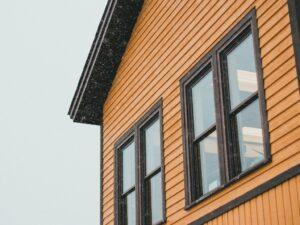

How do you buy house windows? Replacement windows are a long-term investment in your home’s comfort, energy efficiency, and resale value. Buying well comes down to four decisions: the right window styles for each room, the right glass and frame package for your climate, a properly engineered install that won’t fail in five years, and a contractor whose warranty actually covers what they install. This guide walks Colorado homeowners through each step and shows where the most expensive mistakes happen.
Ameritech Windows has installed replacement windows across the Denver metro area and the Front Range since 1994. The recommendations below reflect what we’ve seen actually hold up in Colorado homes versus what fails fast. Request a no-pressure quote to talk through your home with a Colorado-based installer.
Why Window Selection Matters More Than People Think
Windows aren’t a finishing touch. They’re roughly 25 to 30 percent of the exterior envelope of a typical home, and they drive a disproportionate share of energy loss, comfort issues, and resale price. The wrong window will cost you on every utility bill for the next 25 years. The right one will pay you back through lower bills, more livable rooms, and a stronger asking price when you sell.
Three things separate a successful window purchase from a regret:
- Style chosen room by room, not by guessing what looks nice from the curb
- Glass and frame package matched to Colorado’s climate, not whatever the salesperson is pushing this month
- Installation done right the first time, with proper flashing, insulation, and structural support
Skip any one of these and you’re paying twice. The sections below cover each in order.
Step 1: Pick the Right Window Style for Each Room
Your home doesn’t need one window style. It needs the right style in the right place. A double-hung in a bedroom serves a different purpose than a picture window in a living room. The table below summarizes the most common styles and where they shine.
| Style | Best Use | Ventilation | Energy Efficiency |
|---|---|---|---|
| Double-Hung | Bedrooms, traditional living rooms | Good (both sashes open) | Good |
| Casement | Kitchens, hard-to-reach spots | Excellent (full opening) | Excellent (tightest seal) |
| Awning | Bathrooms, basements, paired with picture | Good (vents in rain) | Excellent |
| Slider | Wide openings, modern homes | Good (one or both panels) | Good |
| Picture | Scenic views, focal points | None (fixed) | Excellent (no moving parts) |
| Bay | Living rooms, dining rooms with focal point | Side panels open | Good |
| Bow | Wide curved view, panoramic | End panels open | Good |
| Garden | Kitchens (small projecting window) | Side vents | Lower (more glass surface) |
The combinations that work for Colorado homes are not always obvious. A kitchen window over a sink usually wants a casement (cleanest seal, easiest to reach) rather than a double-hung. A primary bedroom often gets a picture window flanked by two casements for a wide view with airflow. A finished basement often benefits from awning windows that vent without letting snow in. Our installers walk every room with you and recommend the style that solves the actual problem in that space.
The “match the architecture” trap. Some homeowners try to match a single style to their home’s exterior look. That’s a partial answer. Architectural fit matters from the outside, but functional fit matters every day inside. A good installer will help you balance both.
Step 2: The Glass Package Decides Your Energy Bill
The frame is the visible part. The glass package is what determines whether your house stays comfortable and your heating bill drops. For Colorado homes specifically, four glass features matter more than anywhere else in the country:
Triple-Pane Glass
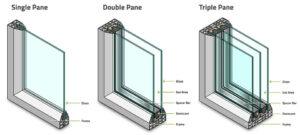
Three layers of glass with two gas-filled chambers. Triple-pane glass stays dimensionally stable through Colorado’s daily temperature swings: a 70-degree morning and a 30-degree afternoon are normal here, and double-pane seals fatigue faster under that stress. Triple-pane is the right call for almost every Front Range home.
Multi-Surface Low-E Coatings
Denver sits a mile above sea level, and UV intensity is roughly 25 percent higher than at sea level. Low-E coatings applied to multiple glass surfaces block UV that fades flooring, furniture, and artwork while still letting visible light through. Single-surface Low-E is a budget option. Multi-surface Low-E is the right answer for high-altitude homes.
Argon or Krypton Gas Fill
Inert gas between panes insulates significantly better than air. Argon is standard. Krypton is denser and works in tighter glass spacings. Either is dramatically better than air, and any modern Ameritech window includes gas fill as a baseline.
Warm-Edge Spacers
The spacer is the hidden component that holds the glass panes apart. Old aluminum spacers conduct heat right through the glass edge. Modern composite warm-edge spacers cut that heat transfer significantly and reduce edge condensation in winter. Always ask whether your quoted window uses warm-edge or aluminum spacers.
What this looks like on a quote. Lower-tier quotes often skip one or two of these features to hit a price target. Our standard install in Colorado includes triple-pane glass, multi-surface Low-E, argon fill, and warm-edge spacers as the baseline. Compare your other quotes against ours. It’s an easy way to see what you’re actually getting.
Step 3: Frame Material: The 25-Year Decision
Frame material is the longest-lasting decision in window buying. The glass package can be tuned across product lines, but the frame is the frame. Get it wrong and you’re either replacing windows again in 12 years or repainting them every spring.
- Vinyl: Affordable, low-maintenance, decent insulator. Can warp under Colorado’s temperature swings if the formulation is cheap. Right for budget-driven projects with a quality manufacturer.
- Wood: Beautiful, naturally insulating. Requires regular maintenance against high-altitude UV and dry winter air. Right for historic homes with the budget for upkeep.
- Fiberglass: Strong, dimensionally stable, doesn’t warp or rot. Higher up-front cost but excellent long-term value.
- Hybrid Vinyl-Composite: Combines vinyl’s low maintenance with composite’s stability. The right balance for the majority of Colorado homes. More on hybrid frames.
- Aluminum: Modern look, very strong, but a poor insulator without thermal breaks. Better for commercial than residential use in Colorado.
For most Colorado homeowners we install for, hybrid vinyl-composite is the right answer. It holds dimensional stability through temperature swings, doesn’t need painting, resists UV degradation, and keeps the glass seals intact for decades. We walk through the tradeoffs of each option during the in-home assessment so you understand what you’re picking and why.
Step 4: Why Installation Quality Matters as Much as the Window
A premium window installed poorly will fail faster than a mid-tier window installed well. Here’s what separates a real installation from a cheap one:
- Proper rough opening prep: Old framing checked for rot, replaced where needed. Failing flashing replaced before the new unit goes in.
- Correct shimming and squaring: Windows that aren’t square will bind, leak, and develop seal failures within a few years.
- Continuous insulation: Every gap between the window and the rough opening filled with low-expansion foam, not stuffed with fiberglass.
- New flashing tape: Self-sealing flashing on every side, integrated into the existing weather-resistive barrier.
- Interior and exterior trim: Restored or upgraded to match the home, with proper caulking that lasts decades.
- Cleanup and disposal: Old windows hauled away, debris cleaned up, no surprises after the crew leaves.
Big-box stores and budget contractors cut corners on every line above. Each shortcut saves the contractor money and costs you a future repair. Ameritech’s window installation process documents every step and is backed by our installation warranty.
Step 5: Read the Warranty Before You Sign Anything
The warranty is where contracts go to lie. A “lifetime warranty” can mean almost nothing depending on what’s covered, who covers it, and what triggers a denial. Three questions to ask:
- Is the labor warranty separate from the product warranty? The manufacturer warranties the glass and frame. The installer warranties the install. Both should be in writing.
- Is the warranty transferable? If you sell the home, can the next owner use the warranty? Transferable warranties signal that the company expects to be in business in 20 years.
- What voids it? Some warranties exclude common Colorado conditions like UV fade, condensation between panes, or seal failure on operable sashes. Read the exclusions before signing.
Ameritech offers a 40-year warranty that’s been honored consistently since 1994. Read why a clear 40-year warranty often beats a “lifetime” warranty with a long list of exclusions.
Step 6: Local Matters, Especially in Colorado
National chains and out-of-state manufacturers don’t have skin in the game when something goes wrong three years from now. A Colorado-based installer does. Three reasons local matters more here than in most states:
- Climate-specific product knowledge: A window built for moderate climates will warp, fade, or seal-fail in Colorado. Local installers know which manufacturers actually hold up here.
- Local building codes and HOAs: Front Range jurisdictions have specific energy codes and many neighborhoods have HOA rules on window appearance. A local installer handles the permits and the HOA submittal.
- Service after the sale: When something needs adjustment in year three, the company should still answer the phone. A national chain pulls out of markets routinely. A 30-year Colorado installer doesn’t.
For homeowners specifically choosing a Colorado manufacturer, our guide to choosing a Colorado window manufacturer covers the questions to ask before you sign.
What a Realistic Window Project Timeline Looks Like
- Initial consultation and measurement (about 60 to 90 minutes in your home)
- Quote and product selection (a few days, depending on style and frame choices)
- Custom manufacturing (typically 4 to 8 weeks for Colorado-built hybrid composite windows)
- Installation day (1 to 2 windows per crew per day for typical replacements; whole-home projects span a few days)
- Final walkthrough and warranty registration (the day the last window goes in)
Most homeowners are surprised at how clean and contained a real installation is. Crews use drop cloths, vacuum cleanup, and complete one window at a time so the home stays sealed. Whole-home projects rarely take more than a long week.
When to Replace vs. Repair
Not every issue calls for full replacement. A cracked pane in an otherwise sound window can be repaired. A failed lock or balance can usually be replaced. Replacement is the right call when:
- The frame is rotting, warping, or showing widespread water damage
- The glass is foggy or has visible moisture between panes (failed seal)
- You feel drafts near closed windows in winter
- Heating and cooling bills have crept up year over year
- The unit no longer opens, closes, or locks reliably
- You’re planning to stay in the home and want decades of better performance
If you’re seeing two or more of these signs, repair work usually just delays the inevitable. More on when to replace.
Avoid These Common Buying Mistakes
- Buying on price alone: A 20 percent cheaper window often hides 40 percent more cost in lifetime energy waste and early replacement.
- Skipping the in-home assessment: Online quotes can’t see your wall structure, exterior cladding, or HOA constraints. They’re a starting point, not an answer.
- Trusting a single bid: Get two or three quotes. The right local installer will be transparent about what they include.
- Mismatching style to room: A bedroom needs ventilation and privacy. A living room often wants a focal-point picture window. The same style across every room rarely fits any of them perfectly.
- Ignoring frame material: This is the longest-lasting decision in the project. Don’t pick by color alone.
- Skipping the warranty fine print: Read what’s excluded. “Lifetime” warranties with long exclusion lists protect the seller, not you.
Window Buying: Frequently Asked Questions
What is the most important thing when buying replacement windows?
The combination of a quality glass package matched to your climate and a properly executed installation. The window itself is only part of the equation. A premium window installed badly will fail before a mid-tier window installed well. For Colorado homes, that means triple-pane glass with multi-surface Low-E coatings and an installer who actually flashes, insulates, and squares the unit correctly.
How long do replacement windows last?
A properly installed, quality replacement window in Colorado lasts 25 to 30 years. Cheaper vinyl windows installed badly can fail in 10 to 15 years. The biggest variable is the seal between glass panes (when that fails, condensation forms between panes and the window becomes inefficient). Frame material and installation quality determine which end of that range you land at.
Are vinyl or fiberglass windows better?
Both work well when the manufacturer is quality. Vinyl is more affordable and lower maintenance. Fiberglass is stronger and more dimensionally stable in extreme climates. For Colorado specifically, a hybrid vinyl-composite frame often outperforms either pure option by combining vinyl’s low maintenance with composite’s stability through temperature swings.
What window features matter most for Colorado homes?
Triple-pane glass for thermal stability through temperature swings, multi-surface Low-E coatings for the higher altitude UV exposure, argon or krypton gas fill for insulation, warm-edge spacers to reduce edge condensation, and a frame material that resists warping. A standard double-pane window with single-surface Low-E that works fine in Phoenix or Atlanta will underperform in Denver, Boulder, or Colorado Springs.
How do I know if a window quote is fair?
Get two or three quotes and compare apples to apples. Ask each contractor for the glass package details (number of panes, Low-E coating count, gas fill, spacer type), the frame material, the installation scope (flashing, insulation, trim restoration), and the labor and product warranty terms. The cheapest quote usually skips one or more of these. That’s where the savings come from.
Do I need ENERGY STAR certified windows?
Yes for any window you plan to keep more than a few years. ENERGY STAR certification sets a baseline for U-factor and SHGC for your climate zone. In Colorado that means strong insulation against winter heat loss while still managing solar gain. Non-certified windows often miss those targets, which shows up immediately on utility bills.
Should I replace all my windows at once or in phases?
It depends on your goals and budget. Whole-home replacement gets you uniform performance, often a small bulk discount, and one installation event instead of several. Phased replacement spreads the investment over years but means living through multiple installs and missing the bulk pricing. Most homeowners we work with go whole-home for the energy and comfort uniformity. Some prioritize the worst-performing rooms first.
What questions should I ask a window installer?
Are you a Colorado-based company? How long have you been installing here? Who actually performs the installation, your team or a subcontractor? What’s your installation warranty separate from the product warranty? Can I see references from homes installed three or more years ago? What’s the glass package on the unit you’re quoting? What happens if the rough opening has hidden damage when the old window comes out? Vague answers to any of those questions are a signal.
Is winter a bad time to install windows?
Winter installs work fine in Colorado as long as the crew is set up for it. Modern sealants cure in cold temperatures, crews work one window at a time so the home stays heated, and lead times are often shorter in winter than spring or summer. Some homeowners actually prefer winter for the faster timeline. Quality crews handle weather as part of the job.
Will new windows really lower my energy bills?
Yes, if you’re replacing single-pane or aging double-pane units. Modern triple-pane windows with Low-E coatings and gas fill cut window-related energy loss significantly compared to old units. The exact savings depend on how leaky your current windows are, your home’s insulation overall, and your heating and cooling habits. Most homeowners notice the comfort difference (no cold drafts, more even room temperatures) before they notice the bill difference.
Get a Replacement Window Quote in Colorado
Buying replacement windows is a long-term decision that’s hard to undo. The right partner walks your home with you, recommends styles and glass packages that fit each room, installs with the care that protects your investment, and stands behind the work for decades. Ameritech Windows has been doing exactly that across the Front Range since 1994.
Request a no-pressure quote and we’ll walk every room, talk through your priorities, and give you a clear, itemized proposal you can compare to anything else you’re getting. No high-pressure tactics, no inflated lifetime warranty claims, no surprises on install day.
This article was drafted with the help of AI tooling and reviewed for accuracy by an Ameritech Windows installer with 30 years of Front Range experience. Examples and recommendations reflect what we actually install in Colorado homes.
GET FREE QUOTE!
Promo Ending Soon 10-01-2026
Locally owned and operated in Colorado for over 30+ years
Minimum purchase does apply and cannot be combined with any other discounts.*
Deal is for first time customers only.**
By submitting this form, I verify that the number provided is my mobile telephone number and I provide my express written consent for Ameritech Windows to contact me at this number via phone, email, and text message (SMS) using automated dialing technology for marketing purposes. I agree to the Terms and Conditions and Privacy Policy. Consent is not a condition of purchase. Message and data rates may apply. To opt out at any time, you may reply STOP to any text message or notify Ameritech Windows by telephone.