
Replacing your home’s windows is a major investment, one that impacts your comfort, energy bills, and curb appeal for decades. With so many options on the market, finding the right partner for your window replacement in Denver can feel overwhelming. You need more than just a good product; you need a reliable local expert who understands Colorado’s unique climate challenges.
As a Colorado-based company serving the Front Range since 1994, we’ve seen it all. We know what separates the top-tier window manufacturers from the rest. This refreshed guide cuts through the noise, consolidating the essential steps for choosing a company you can trust. Follow these insider tips to find the perfect windows for your home.
1. Define Your Project Goals First
Before you start searching for “window manufacturers near me,” take a moment to define what you want to achieve. A clear vision helps you ask the right questions and narrow down your options. Consider these factors:
- Functionality: Are your current windows drafty, difficult to open, or a pain to clean? Maybe you’re looking to reduce outside noise from a busy street. Your primary reasons for replacement will guide your choices.
- Aesthetics: What look are you going for? Do you want to match your home’s original architecture or create a more modern feel? The right replacement window styles can dramatically enhance your home’s appearance.
- Energy Efficiency: For most Colorado homeowners, this is a top priority. Lowering heating and cooling costs provides a year-round return on your investment.
- Long-Term Value: Think beyond the initial purchase. Factor in installation quality, long-term energy savings, and the value of a strong warranty.
For example, if you want to maximize airflow in your kitchen, casement windows might be the perfect fit. If you have a classic Denver bungalow and want easy cleaning, double-hung windows could be the ideal solution. Knowing your priorities from the start makes every other step simpler.
2. Prioritize True Colorado-Based Experts
National chains and big-box stores have massive advertising budgets, but they often lack the specialized knowledge of a local manufacturer. A company that builds and installs windows in Colorado understands the specific demands of our environment.
Our climate isn’t like anywhere else. We have intense UV radiation at high altitudes, dramatic temperature swings from day to night, and heavy snow loads. A window that performs well in a moderate climate may warp, fade, or fail here. Local experts design and recommend products built to withstand:
- High-Altitude UV Exposure: Prevents frames from fading, cracking, and degrading over time.
- Extreme Temperature Fluctuations: Materials must resist expansion and contraction to maintain airtight seals and prevent drafts.
- Local Building Codes & HOA Rules: An experienced Denver-area company knows the local regulations, ensuring a smooth and compliant installation.
3. Vet Your Shortlist: Credentials, Reviews, and Showrooms
Once you have a few local companies in mind, it’s time to do your homework. A reputable manufacturer will be transparent about their history, qualifications, and customer feedback. Look for a company that has been in business for a long time, as it shows stability and a history of satisfied customers.
Start by checking their online reviews on platforms like Google and the Better Business Bureau (BBB). While no company has a perfect record, look for consistent themes of quality products, professional installation, and responsive customer service. Next, verify their credentials. Are they licensed and insured to work in your municipality? This protects you from liability and ensures they are held to professional standards.
Finally, if possible, visit their showroom. There is no substitute for seeing and operating a window yourself. You can feel the quality of the hardware, see the construction of the frame, and compare different glass packages side-by-side. It’s also a great opportunity to speak directly with the people who might be working on your home.
4. Compare Window Materials for the Colorado Climate
The frame material is the backbone of your window. It dictates durability, maintenance, and thermal performance. While options like wood replacement windows offer a classic look, they often require significant upkeep in our dry, sunny climate. Here’s a breakdown of the most common materials.
| Material | Pros | Cons | Best For |
|---|---|---|---|
| Vinyl | Low maintenance, good insulation. | Can expand/contract, lower-end options can look cheap, limited color choices. | Projects prioritizing performance with minimal upkeep. |
| Wood | Beautiful, traditional aesthetic, can be painted or stained. | High maintenance (scraping, painting), susceptible to rot and insects. | Historic homes where preserving the original look is the top priority. |
| Fiberglass | Strong, durable, minimal expansion/contraction, paintable. | Limited availability and design options. | Homes in extreme climates where maximum durability is the priority. |
| Hybrid Vinyl-Composite | Combines the strength of composites with the insulating properties of vinyl. Extremely durable, low maintenance, superior energy efficiency. | Premium option compared to basic vinyl. | Colorado homeowners seeking the best balance of performance, durability, and long-term value. |
For Colorado’s demanding environment, we believe a hybrid vinyl-composite frame offers the ideal solution. It provides the thermal insulation of a multi-chambered vinyl frame but reinforces it with a composite material for superior strength and rigidity. This combination resists warping and maintains its seal through Denver’s wildest temperature swings, ensuring lasting performance without the constant maintenance of wood.
5. Insist on True Energy Efficiency for Four-Season Comfort
In a state with four distinct and often extreme seasons, energy efficient windows aren’t a luxury, they’re a necessity. They keep your home warmer in the winter and cooler in the summer, reducing the strain on your HVAC system and lowering your utility bills. But not all “energy efficient” windows are created equal.
Look for the National Fenestration Rating Council (NFRC) label on any window you consider. This label provides unbiased ratings for performance. Two key numbers to check are:
- U-Factor: Measures how well the window prevents heat from escaping. The lower the number, the better the insulation.
- Solar Heat Gain Coefficient (SHGC): Measures how well the window blocks heat from the sun. In Colorado, a lower SHGC is crucial for keeping your home cool during our intense summer sun.
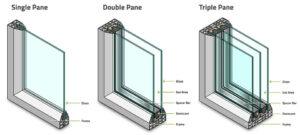
You can verify a window’s performance by looking it up in the ENERGY STAR® certified products database or by consulting the U.S. Department of Energy’s guide to energy-saving windows. For maximum performance in our climate, consider triple-pane glass. While double-pane is a good start, the two insulating gas-filled chambers in a triple-pane unit offer a significant boost in thermal performance and sound reduction. For Colorado homes, triple-pane windows are well worth the investment for Colorado homes. Combining them with other simple tricks to maximize energy efficiency creates a truly comfortable and efficient home.
6. Scrutinize the Window Installation Process
The most advanced window in the world will fail if it’s installed improperly. A poor window installation job can lead to drafts, water leaks, and even structural damage to your home. This is often the biggest difference between a dedicated window company and a general contractor or big-box store that relies on subcontractors.
Ask a potential manufacturer about their installation team. Are they in-house employees or a third-party crew? In-house installers are factory-trained on the specific products they install, ensuring a perfect fit and adherence to the manufacturer’s best practices. This creates a single point of accountability. If something goes wrong, you know exactly who to call, and the company can’t blame the installer (or vice-versa).
A professional installation process should include meticulous measurements, careful removal of the old window, proper flashing and sealing to create a weatherproof barrier, and a thorough cleanup of the job site. Don’t be afraid to ask for details about this process. A company that takes pride in its installation will be happy to explain it to you.
7. Analyze the Warranty and Long-Term Value
A window warranty is the manufacturer’s promise to stand behind their product. However, many “lifetime” warranties are filled with loopholes, prorated coverage, and exclusions that make them less valuable than they appear. A strong, clear warranty is a sign that the company has confidence in its materials and workmanship.
Read the fine print. Does the warranty cover both the window parts and the installation labor? Is it transferable to the next homeowner, which can be a great selling point? Some companies offer confusing warranties where the glass is covered by one company, the frame by another, and the labor by a third. A single-source, comprehensive warranty is always better.
For example, a straightforward, non-prorated 40-year warranty can often provide more protection and peace of mind than a vague “lifetime” guarantee. As we explain in our breakdown, a clearly defined warranty term is a mark of transparency. True value comes from the combination of excellent energy savings, professional installation, and a warranty that protects your investment for decades.
Choosing the right window manufacturer is a decision that will affect your home for years. By focusing on local expertise, superior materials, and a commitment to quality installation, you can find a partner dedicated to improving your home’s comfort and value. At Ameritech Windows, we are proud to be that partner for countless homeowners across the Front Range. If you’re ready to start your project, we’re here to help!
Explore our full range of replacement windows or learn more about why homeowners choose Ameritech.
Frequently Asked Questions (FAQ)
How do I choose the best window manufacturer in Colorado?
The best manufacturer for you is one that is locally based, has a long history of serving the Denver area, and offers products designed for our climate. Look for a company with excellent reviews, in-house installers, and a strong, transparent warranty. Prioritize companies that specialize in energy-efficient materials like hybrid composites and triple-pane glass to combat Colorado’s temperature extremes.
Are triple-pane windows necessary for Colorado homes?
While not strictly “necessary,” they are highly recommended. The second air chamber in a triple-pane window provides a significant improvement in insulation (lower U-Factor) and sound reduction compared to double-pane. For a climate with cold winters and hot, sunny summers like ours, the investment in triple-pane windows pays for itself in enhanced comfort and lower energy bills.
What’s the difference between a window dealer and a window manufacturer?
A window dealer is a reseller; they buy windows from one or more large, often out-of-state, manufacturers and sell them to homeowners. A window manufacturer, like Ameritech Windows, designs, builds, and installs its own products. This creates a single point of contact and accountability for the entire process, from the initial consultation to the final installation and any future warranty service.
Which window material is best for the Denver climate?
For the Denver and Front Range climate, a hybrid vinyl-composite frame offers the best combination of features. It provides the strength and rigidity to withstand temperature swings without warping, while the multi-chambered vinyl components offer excellent insulation. This material is low-maintenance and built to resist the intense high-altitude UV rays, unlike wood which requires frequent painting or staining.