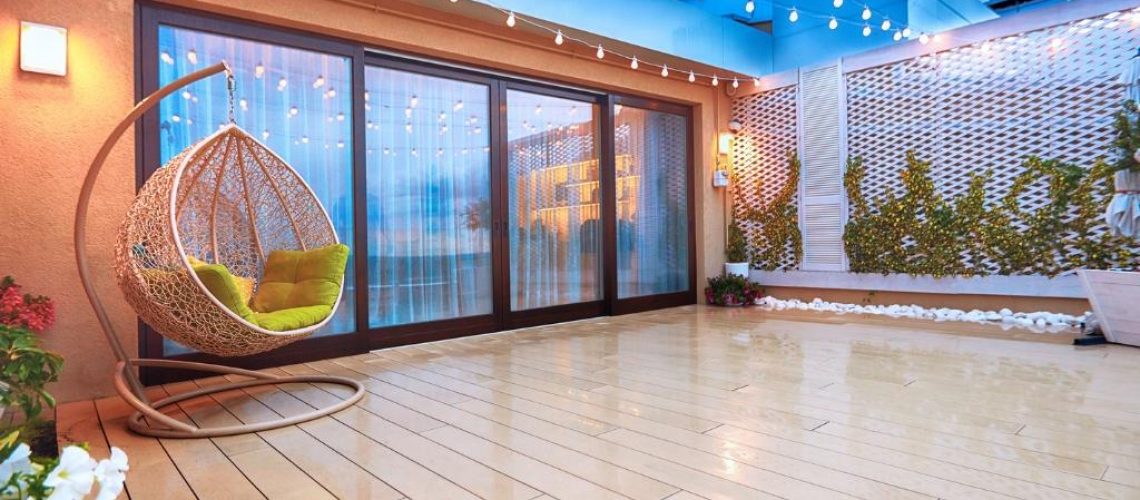
Ready to swap out those old patio doors? You’re in good company. Modern patio doors are one of the most popular upgrades Colorado homeowners make: more light, better views, lower energy bills, and a cleaner indoor-outdoor flow.
This guide covers how to pick the right patio door for your home — style, material, glass package, security — and what to know before the install so you don’t get blindsided by measurement, permit, or installation surprises. By the end, you’ll have a clear game plan for choosing a patio door that checks every box: style, performance, and long-term value, with the Colorado climate factored in.
What Is a Patio Door?
A patio door is a large glazed door that connects your indoor space to your deck, patio, or backyard. It brings in more daylight, opens up the view, and makes moving between rooms and the outdoors feel seamless. Common formats include sliding, French (hinged), and multi-panel systems like bi-folds and lift-and-slide.
Beyond looks, modern patio doors deliver practical advantages that matter in a Colorado home:
- More natural light, year-round
- Better insulation against winter cold and summer heat
- Stronger locks and tempered glass for security
- Smooth indoor-outdoor flow
- Minimal maintenance compared to old wood frames
Before You Start: Get Clear on Why
Before you even open a brochure, ask yourself what’s actually driving this project. The right answer changes the spec.
- Drafty or leaking? Prioritize insulated multi-pane glass, tight seals, and frames with a thermal break.
- Sticks or drags? Look at hardware quality (rollers, hinges) and frame rigidity — cheaper hollow frames warp over time.
- Looks outdated? The biggest visual upgrade is in the sightline width (slimmer frames feel more modern) and finish color.
- Security concern? Multi-point locking, laminated or tempered glass, and anti-lift hardware on sliders are the levers.
- Aging in place? Low-profile thresholds, easy-grip hardware, and wider openings make the door usable for decades.
Knowing the actual problem first prevents you from overpaying for features that don’t fix it.
Common Patio Door Materials
The material you choose affects how the door looks, how well it insulates, and how much upkeep you’ll do over the next 20 years. Here are the main options.
1. Aluminum
- Slim frames with a modern look
- Strong, durable, rust-resistant
- Needs a thermal break to insulate properly — bare aluminum is a heat conductor
Best for: Homeowners wanting a sleek, low-maintenance option with large glass panels.
2. uPVC (Vinyl)
- Affordable and easy to maintain
- Good insulation with multi-chamber frames
- Limited color options compared to aluminum or wood
Best for: Budget-conscious buyers who still want energy efficiency with minimal upkeep.
3. Wood
- Warm, natural look that’s timeless
- Excellent natural insulation
- Requires regular sealing or painting, especially under Colorado UV
Best for: Homeowners who value aesthetics and don’t mind ongoing maintenance.
4. Fiberglass
- Resists warping, rotting, swelling — handles Colorado’s freeze-thaw cycle well
- Can mimic wood grain without the upkeep
- More expensive than vinyl
Best for: Homeowners wanting durability and a premium finish with little maintenance.
5. Composite / Hybrid (e.g., Vinyl-Clad with Composite Core)
- Combines the maintenance-free vinyl exterior with a structural composite core
- Excellent insulation and rigidity — won’t sag, bow, or warp the way hollow vinyl does over time
- Higher upfront cost, but holds its seal and operates smoothly for decades
Best for: Homeowners who want both the low maintenance of vinyl and the long-term durability of composite. This is the construction we use at Ameritech.
Patio Door Styles
How the door opens shapes how the room feels, what views you get, and how you move through your home. The popular styles, and where each one fits:
1. Sliding Doors
- Panels move along a track — no swing space needed
- Ideal for tight patios, decks, or rooms with furniture against the wall
- Large unbroken glass area for maximum light and views
- Best wind performance — won’t blow open in a Front Range gust
2. French (Hinged) Doors
- Two doors swing open from the center
- Classic look that works in traditional and modern homes
- Need clear floor space for the swing arc, inward or outward
3. Bi-Fold Doors
- Multiple panels fold and stack neatly to one side
- Opens up an entire wall for true indoor-outdoor living
- Tracks need to stay clean for smooth operation, especially with Colorado’s wind-blown grit
4. Pivot Doors
- Door rotates on a central or off-center pivot
- Makes a bold design statement, particularly in modern architecture
- Requires reinforced framing to support the door’s weight
5. Multi-Slide or Stacking Doors
- Multiple panels slide and stack in line, or tuck into a wall pocket
- Allows extra-wide openings for panoramic views
- Premium option for major remodels or new builds
Features to Consider
Beyond style and material, these specifics determine how the door actually performs once it’s installed.
1. Energy Efficiency
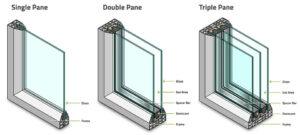
Colorado swings from sub-zero winter mornings to 95+ degree summer afternoons in the same calendar year, so the glass package matters. Look for Low-E coatings (reflect heat back into the room in winter, bounce it away in summer), double or triple-pane glazing for insulation, and argon or krypton gas fill between panes for extra thermal resistance. These features pay back through lower utility bills year-round. Learn more about how energy-efficient glass works.
2. Frame Technology
Aluminum frames need a thermal break to prevent heat and cold from transferring through the metal. Multi-chamber uPVC frames improve strength and insulation. Composite cores keep frames from warping and maintain a tight seal across decades of temperature swings.
3. Security
Multipoint locking systems secure the door at several points along the frame, not just at the handle. Tempered or laminated glass resists shattering. Sliding doors should have anti-lift hardware so the panel can’t be popped off the track.
4. Operation and Hardware
Smooth-gliding rollers, sturdy hinges, and comfortable handles make a real difference day to day. Cheap hardware is the first thing to fail on an otherwise quality door.
5. Weather Protection
Good weatherstripping and tight seals keep out drafts, moisture, and dust. This not only improves comfort but extends the door’s life. Colorado’s freeze-thaw cycle is especially hard on lower-grade weatherstripping, so look for materials rated for high-altitude conditions.
6. Accessibility and Thresholds
Low-profile thresholds make entry easier and safer for children, pets, and anyone with mobility needs. They also reduce tripping while maintaining a clean look.
7. Privacy and Light Control
Built-in blinds or tinted glass let you control how much light comes through without sacrificing style. Built-in blinds also mean nothing to dust or replace.
What to Know Before You Install
Most patio door problems aren’t about the door — they’re about what happened before the door arrived. These are the pre-install steps that separate a clean install from an expensive do-over.
Get the measurements right
The most common mistake is measuring the old door and assuming the new one will drop in. You actually need the width and height of the rough opening (behind the trim), the wall thickness, and the direction the door will swing if it’s hinged. Incorrect measurements lead to air gaps, water leaks, or a door that won’t latch. This is one of the strongest reasons to use a professional installer rather than ordering off a website measurement chart.
Check permits and HOA rules
Especially in planned communities along the Front Range, you may need approval before installation begins:
- City or county permits may be required if you’re enlarging the opening, modifying structural framing, or installing safety-rated glass.
- HOA guidelines often restrict door styles, materials, or colors to keep a uniform look across the neighborhood.
- Building codes dictate where tempered or laminated glass must be used (typically near the floor or adjacent to a pool or hot tub).
Skipping this step results in fines, do-overs, or HOA-mandated removal. A few phone calls in week one saves an expensive rework in week six.
Understand what the install actually involves
Installing a patio door isn’t a quick plug-and-play job. A proper install runs through these steps: remove the old unit, inspect the rough opening for moisture damage or rot, install flashing and waterproof barriers, set and shim the new frame level and plumb, insulate the gaps, seal with caulk and exterior trim, then test operation and weatherstripping seal.
A door installed by a cabin-grade carpenter rather than a window-and-door specialist often performs worse than a cheaper door that’s installed correctly. The install quality matters as much as the door quality.
Know the realistic cost range
A basic builder-grade patio door installed runs about $1,000 to $2,500. Mid-range with quality glass and hardware lands at $2,500 to $4,000. Premium materials, upgraded glass packages, larger openings, or multi-slide configurations can exceed $5,000 to $10,000. Plus the installation labor itself, plus any permit or framing work.
Rather than shopping on price alone, focus on value. A door that’s $1,500 more upfront but lasts 30 years instead of 12 is the cheaper door by a wide margin.
Ask the right questions before hiring
A few direct questions will tell you whether the company you’re considering is the right fit:
- Do they offer in-home measurements and consultations, or do they expect you to measure?
- Is installation included in the price, or quoted separately?
- Will they handle permits and HOA paperwork, or is that on you?
- What’s the warranty on both the door and the installation labor?
- Can they show examples of previous patio door installs in your area?
- Are they licensed, bonded, and insured in Colorado?
A trustworthy installer welcomes these questions and answers them directly. If you get vague answers or “we’ll figure that out later” on any of them, keep looking.
Choosing Patio Doors Wisely
Once you’ve nailed down the basics, these are the second-pass considerations that separate a great door from a good one.
1. Think About Sightlines, Not Just Glass Size
It’s tempting to focus on having the biggest panels possible, but the thickness and color of the frame can change the view as much as the glass area. Slimmer sightlines create a cleaner, more open feel. Heavier frames may suit traditional homes.
2. Match Operation Style to Your Climate
In Colorado’s high-wind corridors, sliding or multi-slide doors often perform better because they won’t blow open in a gust. In calmer microclimates, bi-folds or French doors can give that full open-air feel without the wind concerns.
3. Test the Doors Before You Commit
Showrooms aren’t just for looking. Open, close, and lock the doors you’re considering. Check how heavy the panels feel, how the locks engage, and how smooth the movement is. Quality differences are obvious in person and invisible in photos.
4. Plan Lighting and Privacy Together
Large glass panels bring in light but can also create glare or reduce privacy. Ask about tinted Low-E glass with specific visible transmittance ratings, or explore built-in blinds and exterior shading. Don’t treat lighting and privacy as separate problems.
5. Account for Floor Transitions
If the indoor and outdoor flooring heights don’t match, you may need a threshold ramp or custom frame adjustment. Planning for it early prevents tripping hazards and seam lines later.
6. Look Beyond the Door to the Frame Structure
A beautiful door won’t perform if the wall or header above it can’t handle the weight, especially with wide openings. Have your installer assess load capacity before the door is ordered. Reinforcement after the fact is significantly more expensive than reinforcing during install.
7. Future-Proof Your Choice
Think about how your needs may change over time. Aging in place suggests wider openings, low thresholds, and hardware that’s easy to grip. Picking a door that scales with your needs is cheaper than replacing it in 10 years.
How Ameritech Helps
Looking for a patio door that looks great, works perfectly, and lasts? Ameritech Windows handles the process end-to-end.
- Materials for every style. From modern aluminum and warm wood to low-maintenance uPVC and our hybrid composite construction.
- Triple-pane, energy-saving glass. We go beyond the standard, offering triple-pane glazing with Low-E coatings for real comfort and lower bills.
- Expert installers you can trust. Our team focuses only on windows and doors. Many installers have 10–20+ years of experience, and our installation manager has been with us for over 24 years.
- Warranty you can count on. Our warranties aren’t filled with loopholes. What you get today is what you’ll have years from now. No confusing fine print.
- Local and reliable service. Serving the Front Range since 1994, with an A+ BBB rating and hundreds of 5-star reviews.
- Flexible financing options. We’ve built relationships with local and national lenders so we can offer plans that suit your budget, often approved right in your home.
Ready to upgrade your patio access? Contact Ameritech Windows today to schedule a free consultation and find the right patio door for your home.
GET FREE QUOTE!
Promo Ending Soon 09-01-2026
Locally owned and operated in Colorado for over 30+ years
Minimum purchase does apply and cannot be combined with any other discounts.*
Deal is for first time customers only.**
By submitting this form, I verify that the number provided is my mobile telephone number and I provide my express written consent for Ameritech Windows to contact me at this number via phone, email, and text message (SMS) using automated dialing technology for marketing purposes. I agree to the Terms and Conditions and Privacy Policy. Consent is not a condition of purchase. Message and data rates may apply. To opt out at any time, you may reply STOP to any text message or notify Ameritech Windows by telephone.