Living along Colorado’s Front Range presents unique weather challenges. From the blistering sun of July to the sub-zero snaps of January, a home’s envelope is under constant thermal stress. For homeowners considering window replacement near me, the decision involves balancing upfront costs with long-term performance.
With energy prices projected to trend upward between 2024 and 2030, a critical question arises: does the extra insulation of triple-pane glass justify the cost over double-pane options, specifically regarding the high-performance mechanics of casement windows?
The Contenders: Understanding Double vs. Triple-Pane Casement Windows
A casement window is distinct because it attaches to the frame by side hinges and opens outward, usually via a crank handle. Because the sash presses against the frame when closed, casement windows generally offer superior air-sealing capabilities compared to sliding or double-hung varieties.
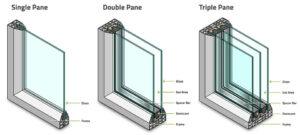
The glass package—the “glazing”—determines the energy efficiency:
- Double-Pane: Features two sheets of glass with an insulating gas (usually Argon) in between. This is the current industry standard.
- Triple-Pane: Adds a third sheet of glass and a second chamber of gas (often Krypton or Argon), creating a significantly denser barrier against thermal transfer.
For a deeper dive into the mechanics and applications of this style, read our guide: What Is A Casement Window Pros Cons And Best Uses Explained.
The Front Range Factor: Why Geography Dictates Value
While triple-pane glass is considered excessive in some regions, the Front Range geography dictates different value metrics based on altitude and temperature differential.
The “Delta T” (the difference between indoor and outdoor temperatures) in Colorado is extreme. It is common to experience a 70°F day followed by a snowstorm, or to maintain an interior of 70°F while it is -10°F outside. Standard builder-grade windows often fail under this pressure, leading to seal failure and condensation. Consequently, many homeowners find themselves replacing a replacement window shortly after installation because the original unit failed to handle the altitude pressure and thermal expansion.
Cost Breakdown: Upfront Investment Analysis
Triple-pane windows require more glass, stronger framing to support the added weight, and advanced manufacturing techniques. Typically, upgrading to triple-pane adds 15% to 25% to the total project cost.
This price difference must be weighed against features, sound reduction, and thermal efficiency rather than viewing the cost in a vacuum. For a detailed financial analysis, check out Are Triple Pane Windows Worth It Pros Cons And Cost Breakdown.
Deciding Between Double Pane and Triple Pane Windows for Your Budget
Strategic budgeting is key for Front Range renovations. If the budget is tight, a hybrid approach can be effective. Prioritizing triple-pane windows on North-facing walls (greatest heat loss) or West-facing walls (most intense solar heat gain) maximizes efficiency where it counts most.
Ultimately, the choice depends on the planned duration of homeownership. For help navigating this choice, see our guide on Deciding Between Double Pane and Triple Pane Windows.
ROI Projections (2024-2030): Energy Savings Data
Window Return on Investment (ROI) generally appears in two forms:
- Resale Value: The increase in the home’s market value.
- Energy Savings: The reduction in monthly utility bills.
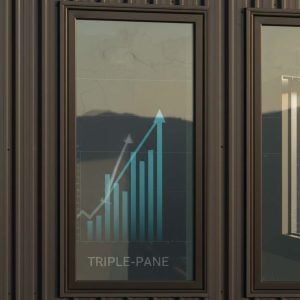
Data projections for 2024-2030 suggest that electricity and natural gas prices in the Mountain West region will continue to rise. As these costs increase, the “savings gap” between double and triple-pane windows widens. A triple-pane casement window with a Low-E coating significantly improves the U-Factor (insulation value). Over six years, the cumulative savings on heating and cooling can amount to hundreds or thousands of dollars depending on the home size.
To understand how these metrics translate to actual savings, read The Real Value Of Energy Efficient Replacement Windows.
Are Triple Pane Windows Worth The Money in the Long Run?
Calculating the break-even point involves the window’s total lifespan. While double-pane windows are efficient, triple-pane windows represent the gold standard for future energy codes. If selling between 2024 and 2030, energy certificates and high-efficiency ratings will likely be major selling points for buyers conscious of utility costs.
For Colorado residents asking Are Triple Pane Windows Worth The Money, the answer is increasingly affirmative provided the investment is viewed over a 7 to 10-year timeline.
Maintenance and Longevity: Hardware and Screen Considerations
ROI extends beyond glass to hardware durability. Casement windows utilize crank mechanisms that must lift and hold heavy sashes. High-quality triple-pane units generally feature reinforced hardware to handle the specific weight requirements.
Additionally, Colorado’s hail and intense UV rays degrade standard screens quickly. High-quality replacement window screen options are often more resistant to tearing and fading. While a window screen replacement is cheaper than a full unit replacement, constant maintenance affects total ROI. Investing in premium windows ensures screens and hardware are built to stand the test of time.
Finding the Right Provider: Interpreting Window Replacement Searches
Even high-performance windows fail if installed incorrectly. Searches for “window replacement near me” or “replacement window near me” yield options ranging from national chains to local handymen.
To protect your investment:
- Look for Local Expertise: Choose a contractor familiar with the Front Range climate.
- Check Certification: Ensure they are certified to install the specific brand of casement window chosen.
- Verify Warranties: A strong warranty on both the product and the labor is essential for long-term ROI.
Conclusion
Maximizing ROI for a Front Range home requires anticipating the energy reality of 2030. While double-pane casement windows offer a significant upgrade over old single-pane units, triple-pane is the superior choice for future-proofing against Colorado’s weather and rising energy costs. Selecting the right glass package and a trusted local installer secures comfort and savings for decades to come.