Case Study: Solving High Energy Bills in a 1949 Denver Home
Paulette loved her 1949 Denver bungalow. Located in a classic city neighborhood, it had the character and charm that newer houses often lack. But that mid-century charm came with a significant downside: inconsistent temperatures and shockingly high energy bills. Like many owners of older properties, Paulette was facing a common problem with vintage home insulation. Her home was difficult to keep warm in the winter and struggled to stay cool during Colorado’s hot, sunny summers. She knew a change was needed to improve her home’s comfort and reduce its energy footprint.
The Challenge: A Cold Reality in a Classic Denver Home
Paulette’s 1949 home was built during an era when energy was cheap and attic insulation was an afterthought. Over the decades, what little insulation existed had settled, compacted, and lost its effectiveness. This created a direct path for expensive heated air to escape during the winter and for intense summer heat to radiate down into her living spaces. The result was a constant battle with the thermostat, drafty rooms, and energy bills that seemed to climb higher each year. This is a frequent issue for homeowners seeking old home energy efficiency solutions along the Front Range.
The attic was the primary culprit. An under-insulated attic can be responsible for up to 25% of a home’s heat loss. For Paulette, this meant her furnace was working overtime in January, while her air conditioner could barely keep up in July. She needed a solution that would address both the cold winters and the intense radiant heat of Colorado summers. After researching local experts in attic insulation Denver, she contacted Ameritech Windows for a professional consultation.
The Solution: A Two-Part Approach for Year-Round Comfort
After a thorough inspection of Paulette’s attic, our team recommended a powerful, dual-component strategy designed specifically for Colorado’s unique climate. Instead of a single product, we proposed a system that works together to provide a complete thermal and radiant barrier. We know that trust is earned through expertise and clear communication, which is a core part of why homeowners choose Ameritech.
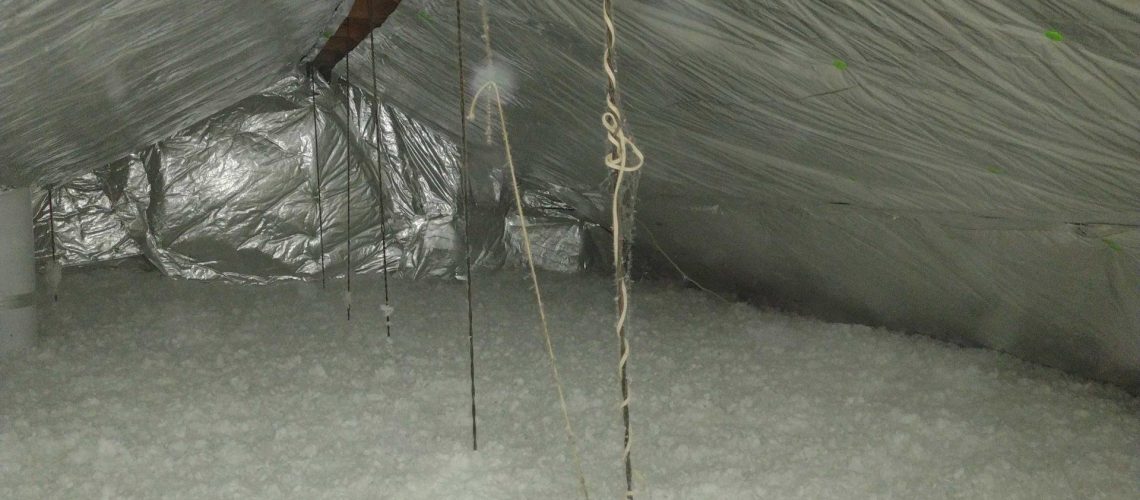
The first step was installing a reflective attic insulation barrier. This specialized material, often called a radiant barrier, is installed on the underside of the roof rafters. Its primary job is to reflect solar heat that penetrates the roof, preventing it from heating up the attic space and radiating down into the home. This is especially effective during Colorado’s 300 days of sunshine, significantly reducing the load on an air conditioning system. You can learn more about how reflective insulation provides cooling savings on our blog.
Next, our crew added a thick layer of ProCat® Loosefill Fiberglass blown-in insulation over the attic floor. This process completely covers the attic floor, sealing small air leaks and gaps around pipes, vents, and fixtures. It dramatically increases the home’s thermal resistance, or R-value. By adding a deep, continuous blanket of insulation, we created a strong thermal boundary that keeps conditioned air inside the home where it belongs. This is a key part of our attic insulation service, turning an inefficient attic into a high-performance part of the home.
Before vs. After: A Dramatic Shift in Comfort and Efficiency
| Feature | Before Ameritech | After Ameritech |
|---|---|---|
| Attic R-Value | Estimated at R-11 or less | Increased to R-49 |
| Summer Comfort | Upstairs rooms were hot; AC ran constantly | Home stays cooler; AC cycles less frequently |
| Winter Comfort | Drafty rooms and cold spots | Consistent, even heat throughout the home |
| Monthly Energy Bills | High and unpredictable | Reduced by an estimated 20-30% |
The Results: Lasting Comfort and Lower Energy Bills
The transformation in Paulette’s home was immediate and profound. The chilly drafts that once plagued her living room vanished. The upstairs rooms, previously unbearable on hot summer afternoons, remained comfortable. Her HVAC system no longer ran constantly, a clear sign that the house was holding its temperature far more effectively. This 1949 home retrofit was a complete success.
Paulette reported that her home felt more solid and quiet. More importantly, she noticed a major improvement in her home’s efficiency, with her energy usage dropping significantly month over month. “My home is finally comfortable year-round,” Paulette told us. “I can’t believe the difference it made, and I can feel the difference every day!” Stories like Paulette’s are why we’re so proud of our customer reviews.
For many older homes, attic insulation is the most impactful denver home improvement project for boosting energy efficiency. Once the attic is properly sealed and insulated, homeowners can then consider other upgrades. Improving insulation creates a more efficient building envelope, which maximizes the performance of high-quality replacement windows and doors. You can find more tricks to maximize window energy efficiency on our blog to further improve your home’s efficiency.
Your Vintage Home Insulation Questions Answered
1. Is it worth adding insulation to an old house?
Absolutely. According to the U.S. Department of Energy, adding insulation is one of the most impactful ways to make your home more comfortable and energy-efficient. For older homes with little to no existing insulation, the return on investment is particularly high, delivering ongoing comfort improvements and energy savings year after year. You can explore the Department of Energy’s official guide to insulation for more details.
2. What’s the best type of attic insulation for Colorado’s climate?
A combination approach, like the one used in Paulette’s home, is often ideal for Colorado. A reflective barrier is excellent for combating the intense summer sun and radiant heat. Blown-in or batt insulation provides the thermal resistance (R-value) needed to protect against cold winter temperatures. The best solution depends on your home’s specific construction and needs.
3. How do I know if my attic needs more insulation?
A simple visual check is a good start. If you look into your attic and can see the tops of your ceiling joists, you almost certainly need more insulation. Other signs include high energy bills, ice dams forming on your roof in winter, and rooms that feel drafty or are difficult to keep at a stable temperature. ENERGY STAR provides a helpful guide to adding attic insulation that can help you assess your current levels.
If Paulette’s story sounds familiar and you’re tired of fighting with your thermostat, contact Ameritech Windows today. Since 1994, we’ve helped thousands of homeowners across the Colorado Front Range improve their home’s comfort and efficiency. Schedule your free consultation for attic insulation in Denver and find out how we can transform your home.