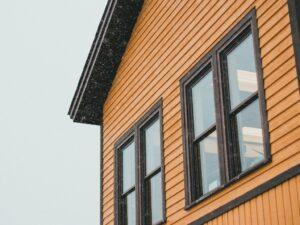

Colorado homes take a beating from both ends of the thermometer. Scorching summers, sub-zero winter mornings, and intense high-altitude sun all push your windows hard. If your home feels drafty in February or your utility bill keeps climbing in July, your windows are probably part of the problem. Upgrading to the best energy efficient windows for Colorado can fix that, without compromising the look of your home.
Whether you own a sleek modern build in Stapleton or a turn-of-the-century craftsman in Park Hill, the right windows can improve comfort, cut energy loss, and match your home’s character. This guide covers what to look for, the best styles for both modern and historic homes, and what you can do right now to maximize window efficiency, even if a full replacement isn’t on the table this year.
What Makes a Window Energy Efficient?
Energy efficient windows aren’t just about having “double panes.” Look for these features when comparing options:
- Low-E Glass: A microscopically thin coating that reflects heat back into your home in winter and bounces it away in summer, while still letting visible light through.
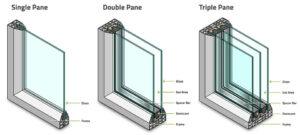
- Multiple Panes: Double-pane is the baseline; triple-pane windows add another layer of insulation that pays off in Colorado’s wide temperature swings.
- Gas Fills: Argon or krypton gas between the panes blocks heat transfer better than plain air.
- Warm Edge Spacers: Keep panes evenly separated and minimize heat loss around the edges, where most energy bleeds out.
- Insulated Frames: Vinyl, fiberglass, or composite frames reduce thermal bridging far better than aluminum.
- Certified Ratings: Look for Energy Star and NFRC (National Fenestration Rating Council) labels, and check the two numbers that matter most.
The two numbers to read on every NFRC label
If you only learn two metrics before talking to an installer, learn these:
- U-Factor: How well the window keeps heat from escaping. Lower is better. For Colorado, look for U-Factor at or below 0.27.
- SHGC (Solar Heat Gain Coefficient): How much solar heat the window lets in. On south- and west-facing windows in Colorado, you generally want this between 0.25 and 0.40 to take advantage of free winter sun without overheating in summer.
These two numbers, together, are what separate a window that performs from one that just looks the part.
Best Window Styles for Modern Homes
Modern homes emphasize clean lines and wide, open views. The right window style should reflect that simplicity while pulling its weight on insulation.
1. Casement Windows
Casement windows swing outward like a door and close tightly against the frame. That compression seal is one of the tightest in the residential window category, which makes casements one of the best-performing options for energy efficiency. They work especially well for large, uninterrupted glass areas in modern homes.
2. Picture Windows
Picture windows are fixed and don’t open, so there’s no operating hardware to leak air. They offer the clearest views and let in the most light. They are ideal for main living rooms, hallways, and staircase walls where you want a frameless feel.
3. Sliding Windows
Sliding windows move horizontally and work well in rooms where vertical space is limited. They are easier to operate than double-hungs over kitchen sinks, and modern sliders with quality weatherstripping seal up well.
4. Fixed Windows in Custom Shapes
Geometric fixed windows complement modern architecture and, with no moving parts, are inherently airtight. They are common as accent windows above doors, at high gables, and along stair landings.
For modern homes, you’ll generally want narrow frames, darker exterior colors, and simple shapes. Just don’t sacrifice glass quality or insulation for visual minimalism.
Best Window Styles for Historic Homes
Historic homes need windows that match the original character of the building, but with modern performance built in. The good news: today’s manufacturers can hit both targets at once.
1. Double-Hung Windows
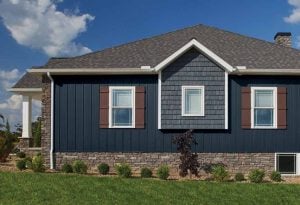
Double-hung windows slide open from the top or bottom and are the right look for most Victorians, craftsmen, and four-squares. Modern double-hungs come with weatherstripped sashes and Low-E insulated glass, so you don’t have to choose between authentic appearance and performance.
2. Bay or Bow Windows
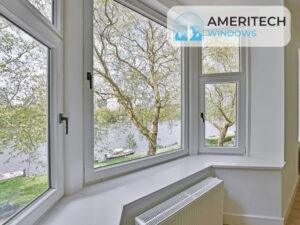
Bay and bow windows project outward from the home, creating an interior alcove and bringing in extra light. They were common in older Denver homes and can now be built with the same insulated glass packages as any other window in the house.
3. Wood-Clad Windows
Wood-clad windows have real wood on the interior for a period-appropriate look, with a low-maintenance aluminum or vinyl exterior that stands up to Colorado weather. You can choose custom stains and interior trim to match the era of your home.
4. Custom Grille Patterns
Today’s windows can mimic the divided lights of original windows without breaking the insulating glass unit. Custom grille patterns paired with Low-E glass and an argon fill let you preserve the look while gaining the performance.
What You Can Do Now to Maximize Window Efficiency
Full window replacement is the biggest single move you can make. But if it isn’t this year’s budget, these are the tactics that produce real, measurable energy savings between now and then.
Re-seal with weatherstripping and caulk
Gaps around the window frame let conditioned air leak out and outside air in. New foam or rubber weatherstripping along the sashes plus fresh exterior caulk around the frame can dramatically cut drafts. This is a one-afternoon project and the materials cost under $50 per window. Inspect annually because Colorado’s UV and freeze-thaw cycles age sealants faster than most climates.
Add insulating window treatments
Cellular shades, thermal curtains, and insulated blinds add an additional R-value layer between the room and the glass. Cellular (honeycomb) shades are the most effective of these because the trapped air pockets in the cell structure block both radiant and conductive heat loss. Drawing them at night in winter and during the hottest part of the day in summer can meaningfully reduce HVAC load.
Apply reflective window film
For west-facing rooms that bake all afternoon, a reflective window film reduces solar heat gain without blocking the view. Film is a cost-effective interim measure, especially on older single- or double-pane windows that aren’t being replaced this cycle. Note that film won’t help much with winter heat loss, so this is primarily a summer cooling fix.
Plant shade strategically
Deciduous trees on the south and west sides of the house shade windows in summer when leaves are full, then drop their leaves in winter to let the low-angle sun warm the house. Done right, landscape shading can cut cooling load by 25 percent or more. A Colorado-native species like a quaking aspen or hackberry handles altitude and dry conditions better than imported varieties.
Maintain the windows you already have
Check seals and gaskets each spring and fall. Look for fogging between panes, which means the insulating gas has leaked out and the window is no longer performing at its rated U-Factor. Tighten any loose hardware, clean weep holes so condensation can drain, and re-caulk where the original bead has shrunk or pulled away.
Consider smart glass for new installs
Smart glass (also called dynamic or electrochromic glass) tints automatically based on sunlight, blocking solar heat gain in summer without darkening the room year-round. It is still a premium upgrade, but for a south- or west-facing wall of glass in a new build or major remodel, smart glass can outperform any passive Low-E coating during peak heat hours.
How to Choose the Right Windows for Your Home
Start with your home’s actual conditions, not a manufacturer’s marketing brochure.
- Assess your climate zone. Most of the Front Range is in IECC Climate Zone 5B, which calls for U-Factor at or below 0.27 and a moderate SHGC. The Western Slope and high country (zones 6 and 7) need even tighter U-Factors.
- Check exposure. South- and west-facing windows take the most sun and benefit most from Low-E and a controlled SHGC. North-facing windows lose more heat than they gain and should be optimized for low U-Factor.
- Audit your utility bills. The U.S. Department of Energy estimates older or poorly sealed windows can be responsible for up to 30 percent of a home’s heating and cooling energy loss. If your bills jumped without a behavior change, your envelope is leaking somewhere.
- Balance looks with function. A great-looking window that performs poorly is going to age badly. Aim for both, and don’t accept frames or glass packages that compromise on either.
- Work with a trusted installer. Even the best window will underperform if it’s set crooked, shimmed wrong, or sealed poorly. Installer quality matters as much as window quality.
The Ameritech Hybrid Window: Vinyl Outside, Composite Inside
Most window shopping is a tradeoff between vinyl (cheap, low-maintenance, but flexes and warps over time) and composite or fiberglass (rigid and durable, but more expensive and sometimes needs painting). The window we install at Ameritech is built to give you both.
Our hybrid window uses a weatherproof vinyl exterior bonded to a structural composite substructure. The vinyl gives you the maintenance-free outer skin that handles Colorado’s UV, hail, and freeze-thaw cycles without painting or sealing. The composite skeleton inside the frame and sash gives the window the rigidity that hollow vinyl frames lose over time. The result is a window that doesn’t warp, sag, or bow, and holds its seal for decades.
Why the composite core matters for energy performance:
- Tighter seals, longer. Hollow vinyl frames eventually flex, and once they do, the weatherstripping compression breaks down and the window leaks air. The composite core keeps the frame in shape so the seal stays tight.
- Better insulation per inch of frame. The composite material is denser than hollow vinyl and conducts less heat, so the frame itself is less of a thermal bridge.
- 40 percent or more efficiency over typical double-pane. When the hybrid frame is paired with our triple-pane glass package, real-world performance lands roughly 40 percent above a typical builder-grade double-pane window. In one study cited on the product page, that translated to 12 percent savings on heating and 28 percent savings on cooling over the year.
- Stronger hardware anchoring. Lock keepers and balance hardware bite into solid composite instead of hollow plastic, which means the window keeps locking tight and operating smoothly years in.
- 40-year warranty. The hybrid construction is what lets us back the window with a 40-year warranty instead of the 10- to 20-year warranty most vinyl-only windows carry.
For Colorado specifically, the hybrid is the right architectural fit because the climate punishes any weakness in a window’s frame structure. Sun, altitude, and temperature swing all conspire to warp lesser frames. The hybrid is designed for that environment.
Why It Pays to Invest in Energy Efficient Windows
The case for investing in efficient windows isn’t just about the energy bill. It is about how the house feels to live in, year-round.
- Lower energy costs: Properly specified, professionally installed energy efficient windows can cut heating and cooling losses through the glazing area substantially. Savings compound year over year.
- More comfort: Consistent indoor temperatures, no cold draft along the wall in February, no hot zone next to the south-facing window in July.
- Better resale value: Energy efficient windows show up in real estate listings and are something buyers actively look for, especially in Denver’s competitive market.
- Less noise: Multi-pane glass with gas fill blocks a meaningful amount of exterior noise. Traffic on Colfax, the I-70 corridor, the train through Olde Town Arvada — all easier to live with.
- UV protection: Low-E coatings filter the UV that fades hardwood floors, rugs, leather furniture, and artwork.
Available Rebates and Incentives
Energy efficient window replacements often qualify for utility company rebates, federal tax credits under the Energy Efficient Home Improvement Credit, and seasonal manufacturer promotions. The credits and rebates change year to year, so it is worth reviewing the latest details before you sign a contract. For a current breakdown of what is available to Colorado homeowners, see our guide on how to qualify for window energy rebates.
Final Thoughts
You don’t have to choose between a house that looks the way you want it to and a house that runs efficiently. Modern energy efficient windows can do both. The best move is to start with the two NFRC numbers (U-Factor and SHGC), match the window style to your home’s architecture, and work with an installer who treats both the glass and the install as part of the same product.
If you’d like a hands-on look at which window styles and glass packages would work best for your Colorado home, Ameritech Windows can put together a no-pressure quote and walk you through the options in person. Reach out for a free consultation and we’ll get on the calendar.
GET FREE QUOTE!
Promo Ending Soon 11-01-2026
Locally owned and operated in Colorado for over 30+ years
Minimum purchase does apply and cannot be combined with any other discounts.*
Deal is for first time customers only.**
By submitting this form, I verify that the number provided is my mobile telephone number and I provide my express written consent for Ameritech Windows to contact me at this number via phone, email, and text message (SMS) using automated dialing technology for marketing purposes. I agree to the Terms and Conditions and Privacy Policy. Consent is not a condition of purchase. Message and data rates may apply. To opt out at any time, you may reply STOP to any text message or notify Ameritech Windows by telephone.