
What Are Hybrid Composite-Vinyl Windows?
A hybrid composite-vinyl window is an advanced design that features a weatherproof vinyl exterior bonded to a structural composite substructure. Think of it as two windows fused into one. The outer layer of premium vinyl provides a maintenance-free, weather-resistant shield. The inner layer, a rigid composite skeleton, provides the strength, rigidity, and durability that standard vinyl windows lack.
If you could take an X-ray of one of these frames, you wouldn’t see a hollow or foam-filled chamber. Instead, you’d see a solid composite substructure running through the entire sash and frame, like the bones in your body. This composite core is the window’s structural backbone, providing the rigidity needed to support heavy glass and prevent warping for decades.
This is fundamentally different from most vinyl replacement windows on the market. The vast majority of vinyl frames are either completely hollow or filled with a bit of foam insulation. Some may have a small metal or composite stiffener screwed into a single chamber, but this is a far cry from a fully integrated composite substructure. It’s the difference between having a true skeleton and just having a metal plate in one bone. This hybrid construction is what makes these some of the best replacement windows you can invest in for your home.
Why Vinyl Alone Falls Short Over Time
Vinyl is the most common material for replacement windows for a few good reasons. It’s affordable, the color is integrated so it never needs painting, and it provides a good seal against the elements. For the exterior-facing part of a window, it’s an excellent, low-maintenance choice. However, as a structural material, vinyl has significant weaknesses that reveal themselves over the years.
The main problem is its lack of rigidity and its tendency to expand and contract with temperature changes. Over time, hollow or foam-filled vinyl frames can start to warp, sag, or bow under the weight of the glass and the stress of daily use. This is especially true in a climate like Colorado’s, where a window can experience a 60-degree temperature swing in a single day. This constant movement can cause seals to fail, frames to distort, and locks to become misaligned.
Furthermore, the structural integrity of a typical vinyl frame is simply not that high. Because the material is relatively soft and often hollow, screws for locks and hardware have less material to bite into. This can lead to loose hardware, compromised security, and operational issues down the road. Many homeowners are surprised to learn what’s hidden inside most window frames and how it affects long-term performance.
What Does a Composite Substructure Actually Do?
A composite substructure is the structural core of a hybrid window, and its job is to provide the strength and stability that vinyl alone cannot. This isn’t just a piece of insulation or a small reinforcement bar; it’s a solid, engineered material that forms the entire internal skeleton of the window frame and sash. The U.S. Department of Energy notes that composite frame materials offer the same or better structural and thermal properties as conventional wood, with superior moisture and decay resistance. According to ENERGY STAR®, composite frames are known for being “durable, low maintenance, [and] well-insulated.”
The primary function of this composite backbone is to eliminate warping, sagging, and bowing. Unlike vinyl, this composite material is incredibly rigid and thermally stable. It doesn’t expand, contract, or soften with temperature changes, ensuring the window frame remains perfectly square and true for its entire service life. This means your window will operate as smoothly in 30 years as it did on day one.
This structural rigidity also provides a huge advantage for security and durability. Hardware, locks, and hinges are anchored directly into the solid composite substructure, not into a thin wall of hollow vinyl. This provides superior screw retention, creating a much more secure and solid window that can stand up to daily use and potential forced entry attempts. The difference in material performance is significant.
| Feature | Vinyl-Only | Composite-Only | Hybrid (Vinyl + Composite) |
|---|---|---|---|
| Structural Strength | Low | High | High |
| Warp/Sag Resistance | Low (Prone to distortion) | High | High |
| Exterior Maintenance | Low (No painting needed) | Low to Moderate (Can require painting) | Low (Vinyl exterior) |
| Insulation Value | Good (If foam-filled) | Good | Excellent (Combines materials) |
| Cost | Low | High | Moderate to High |
| Longevity | Fair (Can degrade over time) | Excellent | Excellent |
How Does Triple-Pane Glass Complete the Package?
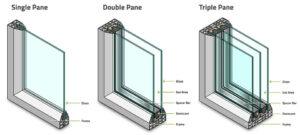
A strong frame is essential, but the glass is what does most of the work in an energy-efficient window. A hybrid frame with a composite substructure is the perfect platform for high-performance triple pane windows. The extra pane of glass and additional layer of insulating gas make triple-pane units significantly heavier than double-pane. A weak, hollow vinyl frame can struggle to support this weight, leading to premature sagging and seal failure. A composite-reinforced frame, however, is more than strong enough to handle the load without breaking a sweat.
The performance leap is dramatic. Research from the U.S. Department of Energy’s Lawrence Berkeley National Lab shows that upgrading from typical double-pane to modern energy efficient windows with triple-pane glass can improve efficiency by 40% or more. A separate real-world study by the Pacific Northwest National Laboratory found that triple-pane windows led to 12% savings on heating and 28% savings on cooling.
Beyond energy savings, one of the most immediate benefits of triple-pane windows is noise reduction. That extra pane of glass and gas-filled chamber create a formidable barrier to outside noise, making your home noticeably quieter. Whether it’s traffic, neighbors, or a barking dog, you’ll enjoy a more peaceful indoor environment. The combination of a rock-solid composite-reinforced frame and high-performance triple-pane glass creates a complete window system that excels in every category: strength, efficiency, and comfort.
Does a Hybrid Window Cost More Than Standard Vinyl?
Yes, a hybrid composite-vinyl window has a higher upfront cost than a standard, hollow vinyl window. But it’s crucial to look at the difference between upfront price and long-term value. The cheapest window is rarely the least expensive option over the life of your home.
Think of it as an investment. The higher initial cost pays for a window that is structurally superior and far more durable. You are paying for a composite substructure that prevents the warping and sagging that plague cheaper windows, saving you from future repair bills and the frustration of dealing with failing windows a decade down the line. The average triple pane windows cost is more than offset by decades of reliable performance.
Moreover, the energy savings start on day one. By combining a composite-reinforced frame with triple-pane glass, you get a supremely efficient window that dramatically reduces your heating and cooling bills. Over time, these monthly savings add up and help recoup the initial investment. A cheap window that leaks air and drives up your energy bills isn’t a bargain; it’s a liability. Choosing a hybrid window is a decision to invest in long-term quality, comfort, and peace of mind, protecting you from the high cost of choosing the “cheap” option.
How Do Hybrid Windows Perform in Colorado’s Climate?
Colorado’s climate is notoriously tough on building materials. From the intense UV exposure at high altitude to the wild temperature swings, hail, and high winds, the Front Range puts extreme stress on a home’s exterior, especially its windows. This is where the structural integrity of a hybrid composite-vinyl window truly shines.
The composite substructure is key. While a standard vinyl frame will expand, contract, and soften in the Colorado sun and temperature fluctuations, a composite-reinforced frame remains stable and rigid. This prevents seals from breaking, keeps locks aligned, and ensures the window operates perfectly, whether it’s 95 degrees in August or -5 degrees in January. For homeowners looking into window replacement in Denver, Colorado, choosing a window built for this specific climate is critical.
At Ameritech Windows, we’ve been installing windows along the Front Range from Denver and Boulder to Colorado Springs and Fort Collins since 1994. After 30 years in this business, we’ve seen what this climate does to inferior products. It’s why we exclusively install hybrid composite-vinyl windows and why we’re convinced double-pane simply isn’t enough for Colorado homes. Our windows have even been used in projects like a Boulder-area Net Zero Energy home, where extreme efficiency and durability were non-negotiable. This combination of a strong hybrid frame and high-performance triple-pane glass is simply the best solution for long-term performance at 5,000+ feet.
Frequently Asked Questions
What is a hybrid window?
A hybrid window uses a combination of materials to maximize performance. Our hybrid windows feature a maintenance-free vinyl exterior that is permanently bonded to an internal composite substructure, providing the weather resistance of vinyl and the strength of composite in one frame.
Are composite windows better than vinyl?
While composite windows offer superior strength, they can be more expensive and may require more maintenance (like painting) than vinyl. A hybrid window offers the best solution by using a structural composite core for strength and a vinyl exterior for low maintenance and weather resistance.
Do triple-pane windows really save energy?
Absolutely. The difference between double and triple pane is significant. According to the U.S. Department of Energy, high-performance triple pane windows can be 40% or more efficient than typical double-pane windows, leading to substantial savings on heating and cooling costs over time.
How long do hybrid composite-vinyl windows last?
Thanks to the composite substructure that prevents warping, sagging, and bowing, these windows are designed to last for many decades. They maintain their structural integrity and operational smoothness far longer than hollow vinyl windows, which is why we can back them with a clear 40-year warranty.
Why doesn’t every company use composite substructures?
Building a composite vinyl window frame with an integrated composite substructure is a more complex and costly manufacturing process. Many companies opt for cheaper, hollow vinyl extrusions to keep their upfront prices as low as possible, even though it compromises the window’s long-term strength and durability.