
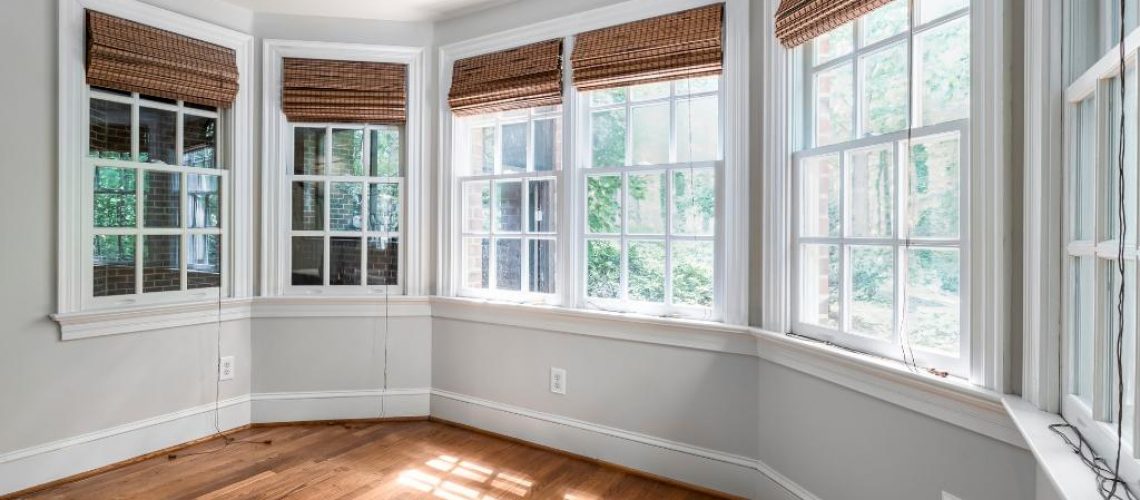
What are replacement bow windows? A bow window is a curved window unit made of four to six equally sized glass panels arranged in a gentle arc that projects outward from your home. Replacement bow windows take out an old, drafty, or outdated unit and install a new energy-efficient version, bringing in more light, expanding interior space, and dramatically improving the look of your home.
What Is a Bow Window?
A bow window is a multi-panel window unit that forms a smooth, curved arc extending outward from a home’s exterior wall. Most bow windows are built from four, five, or six equally sized window units joined at slight angles to create the curve. The panels are typically the same size and style, and the curve creates a panoramic view much wider than what a flat window can offer.
A replacement bow window is the process of removing an existing window (whether it’s an aging bow window, a flat window, or a different shape) and installing a new bow window unit in its place. Modern replacement bow windows feature triple-pane glass, Low-E coatings, and insulated frames that perform far better than the bow windows installed in homes decades ago.
Why Homeowners Choose Bow Windows for Replacement Projects
Bow windows are a high-impact upgrade. Compared to a flat window of similar dimensions, a replacement bow window changes the character of a room and adds practical benefits you’ll notice every day.
Significantly More Natural Light
Because the panels of a bow window face slightly different directions, light enters from multiple angles throughout the day. North-facing rooms that previously felt dim become bright and welcoming. South-facing rooms get a softer, more diffuse light that doesn’t create harsh hot spots. The end result is a brighter home that relies less on artificial lighting.
Panoramic Views
The curved design of a bow window dramatically widens your view compared to a flat window of the same wall opening. For Colorado homes facing mountain views, open plains, or attractive yards, this is a transformative upgrade. The continuous arc of glass eliminates the heavy frame that breaks up the view in a bay window.
Added Interior Space
Bow windows project outward from the home, creating a small extension of usable interior space. Most homeowners take advantage of this by adding a built-in window seat, a plant display shelf, or a reading nook. It’s not a structural addition, but it adds functional square footage without the cost or permitting of expanding the home’s footprint.
Improved Curb Appeal and Resale Value
From the outside, a bow window adds depth and architectural character to a flat exterior wall. It signals quality and attention to detail. In Colorado’s competitive real estate market, distinctive architectural features like bow windows consistently rank among the upgrades that shorten time on market and support stronger asking prices.
Modern Energy Efficiency
Today’s energy-efficient bow windows look nothing like the drafty bow windows of past decades. Modern units feature triple-pane glass, two insulating gas chambers, multiple Low-E coatings, and warm-edge spacers. For Colorado’s high-altitude climate with intense UV and 40-degree daily temperature swings, these features matter more here than almost anywhere else in the country.
When to Replace a Bow Window: Signs It’s Time
If your existing bow window has any of these issues, replacement will save you money in the long run by stopping ongoing damage and energy loss:
- Drafts or cold air near the window when it’s closed (failed seals)
- Foggy or cloudy glass with moisture between the panes (broken insulating glass unit)
- Visible rotting or damaged frames from years of moisture exposure
- Difficulty opening or closing the operable panels
- Sagging or settling of the bow window unit (structural support failure)
- Outdated single-pane or early double-pane glass that’s costing you on heating and cooling
- Faded interior finishes from UV exposure through outdated glass
The longer you wait on these issues, the more damage moisture and energy loss can cause to surrounding walls and floors. A timely replacement prevents costly secondary damage.
Bow Windows vs Bay Windows: A Side-by-Side Comparison
Bow and bay windows are often confused, but they’re distinctly different products. The right choice depends on your space, your home’s architectural style, and your view priorities.
| Feature | Bow Window | Bay Window |
|---|---|---|
| Shape | Smooth, curved arc | Angled, three-sided projection |
| Number of Panels | 4 to 6 equally sized panels | Typically 3 panels (large center + 2 angled sides) |
| View Style | Wide, continuous panoramic view | Three distinct view angles |
| Architectural Look | Softer, more elegant | Sharper, more angular |
| Best For | Living rooms, dining rooms, mountain-view spaces | Kitchens (with sink), reading nooks |
| Interior Space Added | More (deeper projection) | Moderate |
| Architectural Style Fit | Traditional, Victorian, Tudor, transitional | Craftsman, ranch, modern, transitional |
For more on bay window options, see our complete guide to bay windows. Many Colorado homeowners actually choose to install one of each in different rooms, taking advantage of the strengths of each style.
Why Bow Windows Are Especially Good for Colorado Homes
Colorado’s climate makes bow windows an especially smart upgrade. The high altitude, intense sun, and dramatic temperature swings reward windows engineered for energy performance. Here’s what works for Colorado:
Triple-Pane Glass for Altitude UV
At Denver’s mile-high elevation, UV radiation is roughly 25% more intense than at sea level. This faster-degrades fabrics, floors, and artwork through any window. Triple-pane glass with multi-surface Low-E coatings blocks up to 95% of UV while maintaining clear views of Colorado’s mountain vistas.
Sound Reduction for Front Range Communities
Whether you live near I-25, under a flight path for DIA, or in a busy Front Range neighborhood, the multiple panes and gas chambers in a modern bow window deliver significant sound reduction. The varied glass thicknesses break up sound waves, creating a noticeably quieter interior.
Stable Temperature Through 40-Degree Swings
Denver routinely sees temperature swings of 40 degrees or more in a single day. Insulated bow windows with energy-efficient glass keep interior temperatures stable, reducing the workload on your HVAC system through these rapid changes.
Reduced Condensation in Dry Winter Air
Colorado’s dry winter air paired with cold glass surfaces causes condensation in older bow windows, which damages sills and creates mold risk. Modern multi-pane construction keeps the interior glass surface near room temperature, eliminating most condensation problems.
Frame Materials for Replacement Bow Windows
The frame material affects energy performance, durability, and how the window looks decades from now. For deep coverage of all materials, see our guide to window glass and frame technology. Here’s a quick summary of the four main options:
- Vinyl: Affordable, low maintenance, good insulation. The widest-used option, but prone to expansion and contraction over time in Colorado’s temperature swings.
- Fiberglass: Strong, dimensionally stable, energy-efficient. Premium pricing but excellent long-term performance.
- Wood: Beautiful, traditional aesthetic. Requires regular maintenance against UV and moisture, especially in Colorado’s dry climate.
- Hybrid Vinyl-Composite: Combines low-maintenance vinyl with the strength and stability of composite materials. The best balance for Colorado’s climate.
Fixed vs Operable Panels: Choosing the Right Mix
Most bow windows combine fixed (non-opening) panels with one or two operable panels for ventilation. The right mix depends on the room and how you plan to use it:
- All Fixed: Maximum energy efficiency and clearest views. Best for living rooms or dining rooms where airflow isn’t a priority.
- Mix of Fixed + Casement: Casement panels crank outward for excellent airflow and easy cleaning. A common configuration with a fixed center panel and operable ends.
- Mix of Fixed + Double-Hung: Double-hung panels slide vertically for traditional aesthetics and controlled airflow. Better for classic home styles.
Bow Window Installation: Why It’s Not a DIY Project
Installing a replacement bow window is significantly more complex than swapping in a standard window. The unit’s weight, projection from the wall, and structural support requirements demand professional expertise.
A proper bow window installation involves:
- Structural assessment of the wall opening to ensure it can support the unit’s weight
- Header and support cables to distribute the load and prevent sagging over time
- Precision flashing and weatherproofing on the curved exterior surface (more complex than flat windows)
- Roof or eyebrow trim to direct water away from the projection
- Insulated knee wall and seat board below the window
- Color-matched siding integration on the exterior cladding